
In Serbia, Saint Sava is far more than a historical figure or a religious saint. He is a symbol of education, culture, unity, and national identity. His influence reaches beyond churches and monasteries—into schools, public life, and the way generations understand knowledge and values. For visitors to Serbia, learning about Saint Sava offers a deeper insight into why education and tradition hold such an important place in Serbian society.
Who Was Saint Sava?
Saint Sava was born as Rastko Nemanjić in the late 12th century, into the ruling Nemanjić dynasty of medieval Serbia. Despite his noble status, he chose a spiritual path early in life, leaving royal privilege behind to become a monk.
Saint Sava became the first Archbishop of the independent Serbian Orthodox Church and played a crucial role in establishing religious and cultural autonomy for the Serbian people. His work helped shape the spiritual and administrative foundations of medieval Serbia, making him one of the most influential figures in the nation’s history.
Why Saint Sava Is Important to Serbs
Saint Sava’s importance lies not only in religion, but in his broader cultural legacy. He worked to unify faith, law, and education at a time when these elements were deeply interconnected. He organized church life, promoted literacy, and helped create legal and ethical frameworks that guided Serbian society for centuries.
For Serbs, Saint Sava represents:
- wisdom over power
- knowledge as a foundation of society
- unity through culture and learning
His efforts helped preserve Serbian identity during challenging historical periods, which is why his legacy is still honored today.
Saint Sava and the Foundation of Education
One of Saint Sava’s most enduring contributions was his dedication to education. He believed that learning was essential for both personal growth and the strength of society. Monasteries under his influence became centers of literacy, teaching, and manuscript preservation.
Because of this, Saint Sava is regarded as the patron saint of education and schools in Serbia. His philosophy connects morality, knowledge, and responsibility—values that continue to shape the Serbian educational system.
Why Serbian Schools Celebrate Saint Sava
Every year on January 27, schools across Serbia mark Saint Sava’s Day, a national school holiday dedicated to education, knowledge, and cultural heritage. On this day, classes are replaced with ceremonies, recitals, choirs, and student performances.
Schools celebrate Saint Sava to:
- honor the importance of learning
- connect students with national tradition
- promote values of respect, discipline, and curiosity
Rather than being only a religious observance, Saint Sava’s Day is a cultural celebration shared by students, teachers, and families—reinforcing the role of education as a core social value.
Saint Sava in Modern Belgrade
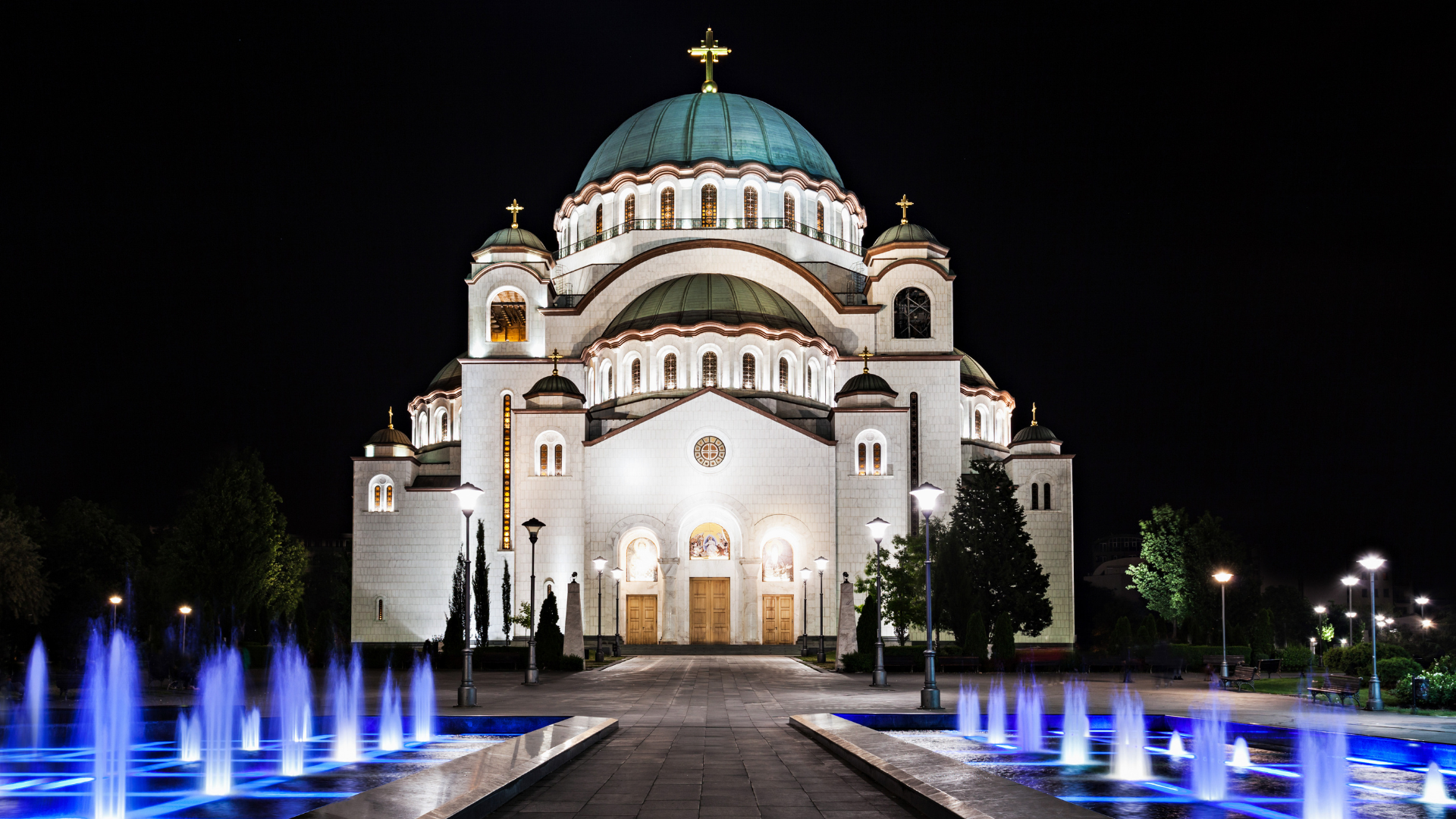
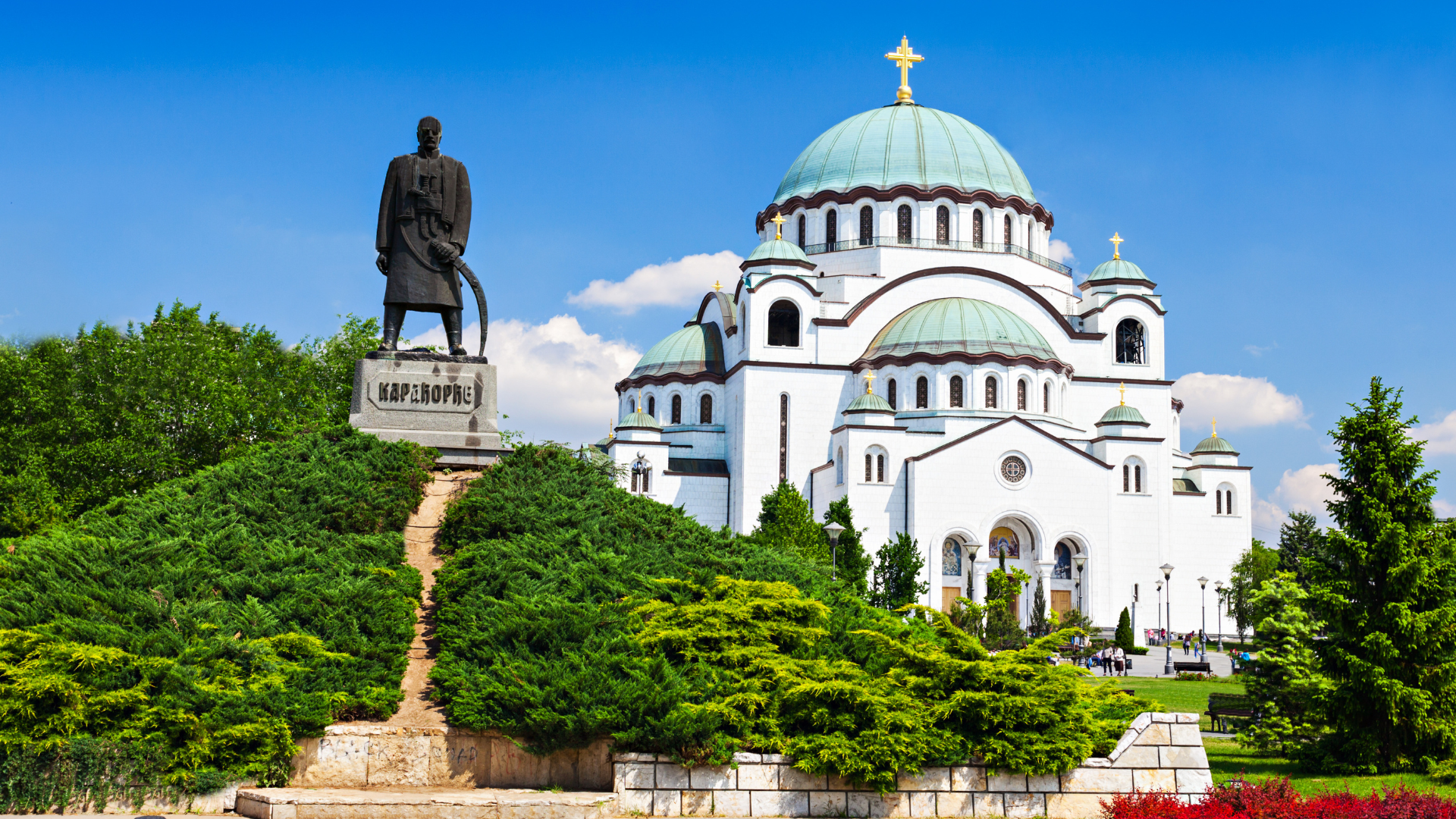
Today, Saint Sava’s legacy is visibly present in Belgrade through the monumental Temple of Saint Sava, one of the largest Orthodox churches in the world. Located on the Vračar plateau, the temple is a spiritual landmark and a symbol of national identity.
Visitors are welcome to explore its interior, learn about Orthodox tradition, or simply admire the architecture. Even for non-religious travelers, the site offers insight into the cultural importance Saint Sava holds in Serbian life.
Why Understanding Saint Sava Enriches a Visit to Serbia
Understanding Saint Sava helps visitors better understand Serbia itself. His influence explains why education is celebrated publicly, why history and tradition remain visible in everyday life, and why cultural continuity is deeply valued.
For travelers visiting during the winter season—especially in January—encountering Saint Sava’s Day celebrations provides a meaningful glimpse into local life beyond typical sightseeing.
Saint Sava is not only a historical or religious figure; he is a cornerstone of Serbian identity. As the founder of the Serbian Orthodox Church and a champion of education, his legacy connects faith, knowledge, and culture in a way that continues to shape Serbian society today. Learning about Saint Sava adds depth to any visit to Serbia, revealing a nation where education is celebrated, tradition is honored, and history remains a living part of modern life.
After days spent exploring Saint Sava’s legacy, visiting museums, and discovering Belgrade’s cultural treasures, returning to a comfortable and calm base enhances the experience. Staying at Best Western Premier Natalija Residence — set in a peaceful green area yet well connected to the city center and close to Nikola Tesla Airport — offers that perfect balance. It’s a place to reflect on what you’ve learned, unwind in comfort, and prepare for another day of cultural discovery, making your visit to Belgrade both enriching and effortlessly relaxed.